Anúncios
If you are looking for a hands-on profession that is valued in the market and has steady demand in construction and industrial maintenance, a career as a pipefitter can be an excellent choice.
Although many people confuse the terms, a pipefitter is not the same as a plumber. It is a more technical, industrial role, with higher pay and more complex projects.
Job Openings
Pipefitter Jobs Paying Up to $105,000/Year
You will be redirected to another website
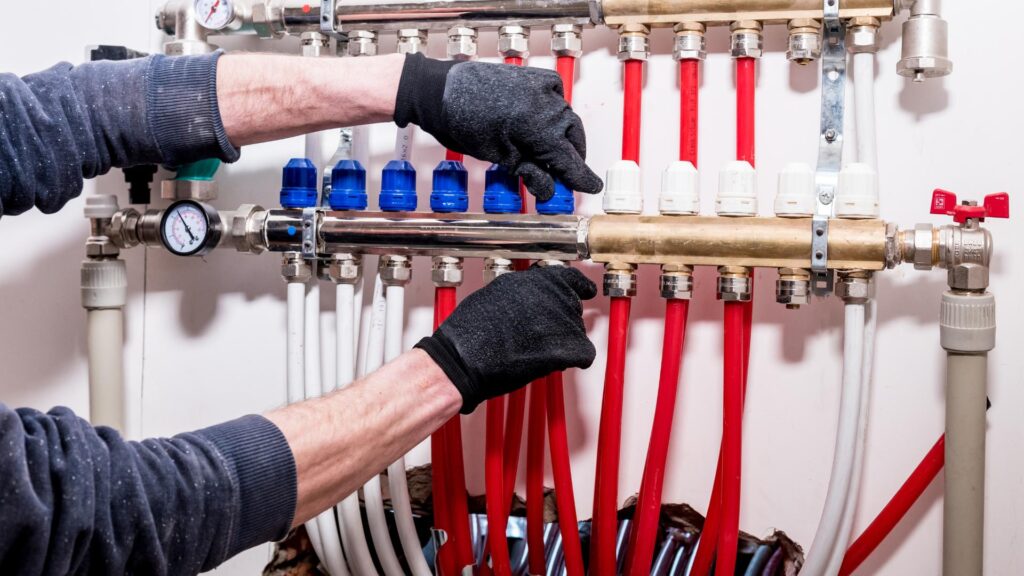
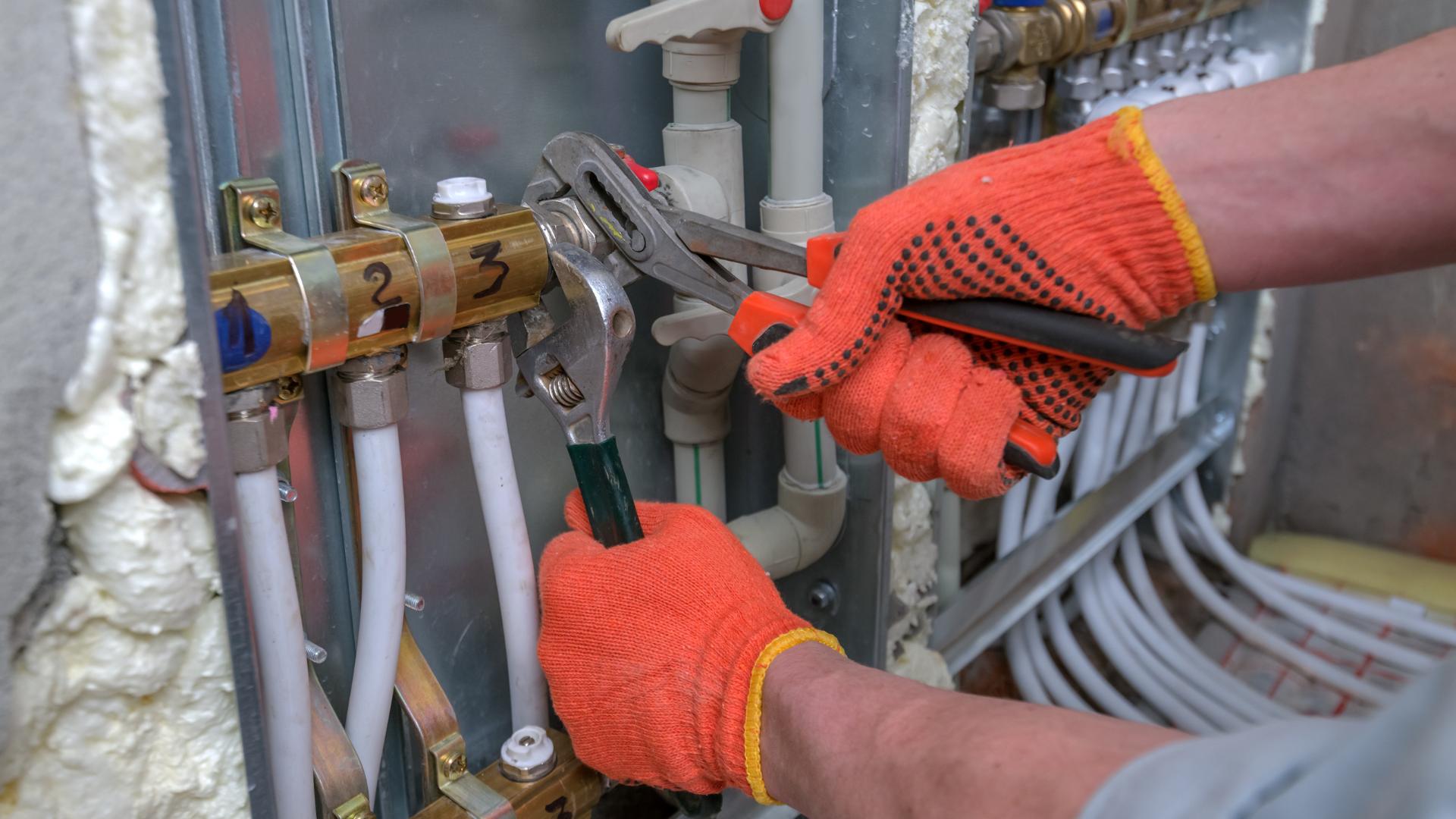
A pipefitter is the professional responsible for assembling, installing, aligning, adjusting, and maintaining piping systems, mainly in large-scale industrial and commercial environments.
They work with steam lines, chilled water, gas, compressed air, and process piping, always following technical drawings and strict safety standards.
How much does a pipefitter earn?
Pipefitter salaries vary depending on the state, industrial sector, level of experience, union membership, and amount of overtime worked. Even so, it is a profession known for offering solid pay and predictable growth over time.
Below is how salary progression usually works in practice:
Entry level (helper or apprentice)
At this stage, the professional is in training and works under supervision, performing basic tasks and learning the technical fundamentals of the trade.
Average salary: between US$38,000 and US$52,000 per year (approximately US$18–25/hour). As the apprentice advances in the program, pay increases gradually.
Qualified pipefitter (journeyman)
After completing hands-on training and gaining experience, the professional begins working more independently, taking responsibility for installing, adjusting, and maintaining more complex systems.
Average salary: between US$65,000 and US$85,000 per year (approximately US$30–40/hour).
At this stage, benefits such as health insurance and retirement plans are more common, especially under union contracts.
Experienced pipefitters with overtime
Professionals with several years of experience—especially those involved in intensive industrial projects (such as shutdowns, refineries, power plants, and large construction jobs)—can significantly increase their annual income through overtime, night shift premiums, and productivity bonuses.
Average salary: between US$90,000 and US$105,000+ per year, and it can exceed this amount on high-demand projects.
In addition to experience, factors such as certifications, welding skills, work in critical industries, and willingness to travel directly influence earning potential.
Benefits of a pipefitter career
Beyond salary, the career offers advantages that appeal to those looking for long-term stability:
- Hands-on learning from day one (“earn while you learn”)
- Clear career progression with pay increases over time
- Opportunities to work across multiple industrial sectors
- Benefits such as health insurance and retirement plans in many contracts
- A profession that is difficult to automate or replace
For those who enjoy technical work and do not mind physical labor, pipefitting is generally a solid career choice.
Industries that hire the most pipefitters in the U.S.
Pipefitters are essential wherever critical piping systems exist. The main industries include:
Industrial construction and plant maintenance
Chemical, petrochemical, food processing, pulp and paper, metalworking, and general manufacturing plants rely on pipefitters to install and maintain process systems.
Energy and steam
Power plants and facilities that operate with steam, high pressure, and high temperatures require specialists in heavy piping systems.
Industrial HVAC and hydronic systems
Hospitals, universities, data centers, and large commercial buildings use pipefitters for chilled water, hot water, chillers, and boiler systems.
Shipyards and special projects
Depending on the region, there is also demand in shipyards, naval projects, and large-scale specialized construction.
Step by step: how to enter a pipefitter career
Step 1: Understand what type of pipefitter you want to be
Before applying for jobs, it is important to define your focus:
- Industrial pipefitter (process piping)
- Steamfitter (steam systems and heavy HVAC)
- Pipefitter with welding skills (pipefitter/welder)
This helps avoid applying for the wrong positions and speeds up entry into the market.
Step 2: Choose your entry path
There are two common ways to start:
Entry through a structured apprenticeship
Very common in the U.S., this path combines fieldwork with technical classes. The professional progresses over several years and receives raises as they advance.
Direct entry as a helper
Some companies hire helpers with no prior experience. The person learns on the job site and can move into more technical positions over time.
Both paths are valid, and many professionals start as helpers before joining a formal apprenticeship program.
Step 3: Develop required basic skills
Even for entry-level positions, certain skills make a difference:
- Basic knowledge of workplace safety
- Basic reading of drawings and isometrics
- Identification of pipes, fittings, and valves
- Proper use of hand tools
- Discipline, punctuality, and teamwork
Knowledge of materials such as carbon steel and stainless steel is also helpful.
Step 4: Prepare a simple, straightforward resume
Pipefitter resumes do not need to be long. Ideally, they should:
- State the position you are seeking
- List practical skills
- Show previous experience in construction, maintenance, or industrial work
- Include relevant courses and training
Always focus on what you have done in practice, even if it was not exactly as a pipefitter.
Step 5: Apply for jobs strategically
Use search terms such as:
- Pipefitter
- Pipefitter helper
- Apprentice pipefitter
- Industrial pipefitter
- Steamfitter
Industrial companies, contractors, and temporary project employers frequently open positions.
Step 6: Know what to expect from the hiring process
Typically, the process includes:
- An interview focused on availability and hands-on experience
- Safety evaluations
- Medical exams and employer-required tests
- Confirmation of schedules, shifts, and possible travel
Showing commitment and a willingness to learn carries significant weight.
Step 7: How to stand out in the first 90 days
The first few months are critical for growth:
- Arrive early and follow all safety rules
- Observe experienced workers and ask questions
- Learn to read drawings and identify components
- Show interest in taking on more technical tasks
- Be reliable and consistent
These behaviors accelerate promotions and pay increases.
Important points few people talk about
Overtime can completely change annual income
Many pipefitters do not increase their earnings only through promotions, but through the volume of overtime. On industrial projects with tight deadlines—such as scheduled maintenance shutdowns—it is common to work extended hours, including weekends and night shifts.
These projects can significantly increase annual income. Professionals who accept mobility and availability during these periods often earn far more than the average.
Location matters more than experience
States with strong industrial presence, refineries, energy production, and large projects tend to pay higher wages. In regions with less industrial activity, pay can be more modest, even for experienced workers.
Because of this, many pipefitters work as traveling professionals, joining projects in different states throughout the year to maximize income and opportunities.
Safety is taken extremely seriously
The work involves pressure, high temperatures, critical systems, and industrial environments. As a result, companies highly value disciplined professionals who strictly follow safety standards.
Workers who demonstrate responsibility, attention to detail, and a strong safety record tend to advance faster, receive better opportunities, and gain access to higher-paying projects.
Certifications increase market value
While it is possible to start as a helper without certifications, technical courses and qualifications significantly increase professional value. Certifications in blueprint reading, welding, industrial safety, and specific systems can open doors to more complex and better-paid projects.
The real difference between pipefitter, plumber, and welder
Many people confuse these professions, but they have distinct focuses:
- Plumber: building systems (water, drainage, residential and commercial buildings)
- Pipefitter: industrial systems, high pressure, steam, and process piping
- Welder: primary focus on welding metal components
Although these fields overlap, pipefitters typically work on more technical and industrial projects, which explains the pay difference.
Field reputation matters a lot
In the industrial sector, referrals and work history carry significant weight. Professionals who are punctual, reliable, and consistent are more likely to be called back for projects and recommended for new opportunities.
In many cases, career progression depends not only on technical skill, but also on the reputation built in the field.
Conclusion
The pipefitter profession offers a rare combination of high demand, strong pay, and a clear path for growth. For those seeking a technical, hands-on career with real opportunities in the U.S., it is a strategic choice.
By following the step-by-step approach—understanding your area of focus, developing basic skills, applying strategically, and making the most of your first few months—it is possible to build a stable, well-paid career, including reaching pay levels close to US$105,000 per year in certain scenarios.